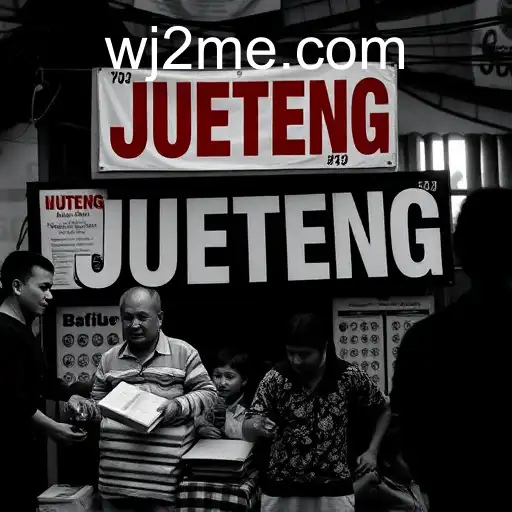
Understanding Jueteng: An In-Depth Exploration of a Traditional Numbers Game
Jueteng is a popular and illicit numbers game deeply entrenched in the cultural and social landscape of some Southeast Asian countries, particularly in the Philippines. This underground lottery game, often compared to the numbers racket in the United States, has persisted for decades despite numerous attempts by authorities to eradicate it. This article, with keyword focus on "WJ2," delves into the structure, operations, and social implications of Jueteng, providing insights into why it continues to thrive.
What is Jueteng?
Jueteng is a form of illegal gambling game that involves the betting on combinations of numbers. It originated from the Spanish word "jugar," meaning to play, and the Chinese word "teng," which signifies the use of a lottery system. The game is typically operated at a community level where local "cobradors" (collectors) gather bets from residents. The central draws happen daily, making it a habitual activity for many.
The mechanics of Jueteng are straightforward. Players choose a combination of numbers, usually two, though some variations of the game might involve betting on more. The winning numbers are drawn using small stones or balls marked with digits. Successful participants win a predetermined amount, often a multiple of their original bet.
The Economics of Jueteng
Jueteng operates as a multi-million-dollar enterprise. It employs a network of individuals from bet collectors, also known as cobradors, to the higher echelon "jue-tengeros" or financiers. These financiers receive the bulk of the proceeds, but it's the cobradors who ensure the game reaches the masses, becoming a central figure in its distribution network.
In economically challenged communities, Jueteng is not merely a form of entertainment; it’s often perceived as a financial alternative to make quick money. Many players are driven by the possibility of a windfall that could relieve them from their daily financial struggles. The low-entry barrier for play contributes to its widespread popularity, making it accessible to just about anyone with a few pesos to spare. Jueteng continuously adapts to its environment, which is why it resiliently thrives despite the rapid socio-economic changes within communities.
The Role of Technology
As technological advancements infiltrate nearly every aspect of daily life, Jueteng operators have also embraced these new tools to further their reach. Some operations have adopted mobile technology, allowing participants to place bets via SMS, which masks the transaction compared to traditional paper bet slips. This move to digitize has provided an additional layer of security and anonymity for players and operators alike.
Social Dynamics and Impact
Understanding why Jueteng persists requires a closer look at its socio-cultural dynamics. It is not merely a gambling operation but a highly ingrained social activity. Many community members see it as a daily ritual, and it holds significant social currency in certain areas. The familiarity and the social interaction that comes with daily betting form part of its enduring allure.
Jueteng, however, is not without its societal costs. It has often been cited as a source of corruption. Local and regional authorities may turn a blind eye or even protect operators in exchange for financial incentives. This reciprocal relationship reinforces a cycle of dependency, making both players and local officials complicit in its continuation. Such realities pose major challenges for any attempts at reform or eradication of the practice.
The Stalemate Between Policies and Practices
The government has spared no effort in trying to eliminate Jueteng. Numerous policies and crackdowns have sought to dismantle operations, yet the game endures. In some cases, law enforcement campaigns have been hindered by corruption within their own ranks, while in other instances, the deeply-rooted culture surrounding Jueteng makes it hard to approach without substantial local resistance.
Moreover, the policies meted out against Jueteng rarely match the complete infrastructural siege necessary to combat an operation of its scale. There is a persistent mismatch between government intent and community realities, which makes eradication efforts fall short.
Looking Ahead: The Future of Jueteng
The future of Jueteng is uncertain as government's attempt to replace it with legal gambling alternatives continues. Despite official efforts to legalize and incorporate local numbers games into a formal system, Jueteng's opacity and deep historical roots make these adjustments challenging. For any potential change to be sustainable, it requires engagement with community needs and a clear understanding of how entrenched systems can be transitioned.
The resilience of Jueteng reflects broader socio-economic challenges and a complex interplay of culture, financial strategy, and social cohesion. While the law perceives it as a vice that must be curbed, for many, it remains an enduring social institution that feeds, clothes, and entertains. As long as these factors are in play, Jueteng, under its many guises like "WJ2," is likely to persist in the shadow of official economics and governance.
By understanding the structure and significance of Jueteng in everyday life, policymakers, and even community leaders can better strategize interventions. The consideration of economic alternatives, social programs, and anti-corruption initiatives are crucial in transforming how communities engage with and perceive these essential games.